Understanding Nutritional Strategies and Essential Vitamins

An Institutional Knowledge Portal Dedicated to Evidence-Based Nutritional Science

Foundations of Nutrition

Nutrition forms the biological foundation of human well-being. This portal explores the intricate relationship between dietary composition and physiological function, examining how various nutrients contribute to energy metabolism, cellular maintenance, and systemic balance.

Understanding nutritional science requires an appreciation for the complex interplay between macronutrients—proteins, carbohydrates, and fats—and micronutrients such as vitamins and minerals. Each plays a distinct role in sustaining bodily functions and supporting overall vitality.

Explore Topics


Fresh whole foods arranged on wooden surface with natural morning light

Core Nutritional Components

Essential Vitamins

Vitamins are organic compounds necessary for numerous biological processes. The body requires these compounds in relatively small quantities, yet their absence or deficiency can lead to significant physiological consequences.

Vitamins participate in energy production, immune function, bone formation, and cellular protection through various enzymatic and antioxidant mechanisms.

Minerals and Trace Elements

Minerals such as iron, calcium, magnesium, and zinc serve structural and functional roles in the human body. They support bone integrity, muscle function, nerve signaling, and metabolic processes.

Trace elements, though required in minute quantities, are equally critical for proper physiological operation and metabolic balance.

Macronutrient Balance

Proteins, carbohydrates, and fats comprise the macronutrient framework of nutrition. Each serves distinct physiological purposes: proteins for structural and enzymatic functions, carbohydrates for energy, and fats for hormonal synthesis and cellular structure.

Achieving appropriate macronutrient balance supports sustained energy and optimal metabolic function.

Balanced nutritious plate with proteins, vegetables, and grains under warm lighting

Balanced Dietary Composition

A balanced diet incorporates diverse food groups, each contributing specific nutrients and phytonutrients. Whole foods—vegetables, fruits, grains, legumes, nuts, and lean proteins—provide complex nutrient profiles that support multiple physiological systems simultaneously.

The principle of nutritional balance extends beyond simple nutrient counting. It encompasses food quality, nutrient density, and the synergistic interactions between various compounds that enhance bioavailability and utilization.

Learn More

Nutritional Science Resources

This portal presents evidence-based information on nutritional science, offering explanations of dietary principles, food categories, nutrient functions, and approaches to informed dietary decision-making.

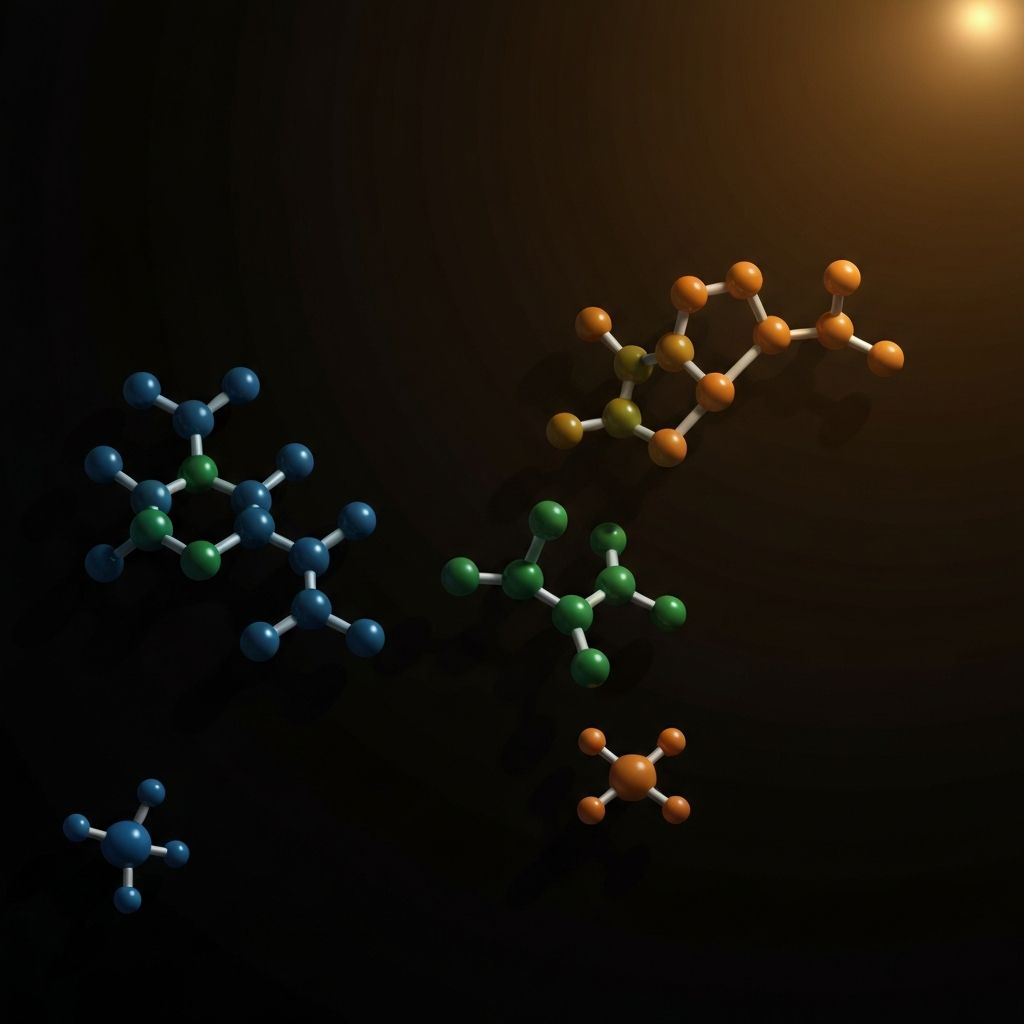
Scientific visualization of molecular structures with fresh vegetables

Vitamin Functions and Sources

Vitamins perform critical regulatory and catalytic functions. Fat-soluble vitamins (A, D, E, K) are stored in adipose tissue, while water-soluble vitamins (B-complex, C) require consistent dietary intake. Understanding the food sources of various vitamins facilitates informed dietary planning.

Mineral and Trace Element Roles

Minerals such as iron (oxygen transport), calcium (skeletal structure), magnesium (enzymatic cofactor), and zinc (immune function) each serve specialized physiological roles. Dietary diversity ensures adequate mineral intake from natural food sources.

Important Context and Limitations

This website provides educational information about nutrition and nutritional science. The content presented here:

  • Is intended for informational and educational purposes only
  • Does not constitute personal health recommendations or medical advice
  • Does not replace consultation with qualified healthcare professionals
  • Reflects general principles; individual nutritional needs vary significantly
  • Should not be used as a basis for self-diagnosis or treatment decisions

Not a medical product. Consult a doctor before use.