Protein: Structure, Function, and Dietary Sources

Understanding Amino Acids and Their Essential Roles in the Body

Protein Fundamentals

Proteins are macronutrients composed of amino acids linked through peptide bonds. The human body contains approximately 10,000 different proteins, each serving specialized functions. Proteins form the structural and functional basis of virtually all living tissues and processes.

Amino acids serve as building blocks for protein synthesis, with the body capable of synthesizing 11 amino acids endogenously. The remaining 9 amino acids (essential amino acids) must be obtained through dietary sources, as the body cannot produce them in sufficient quantities.
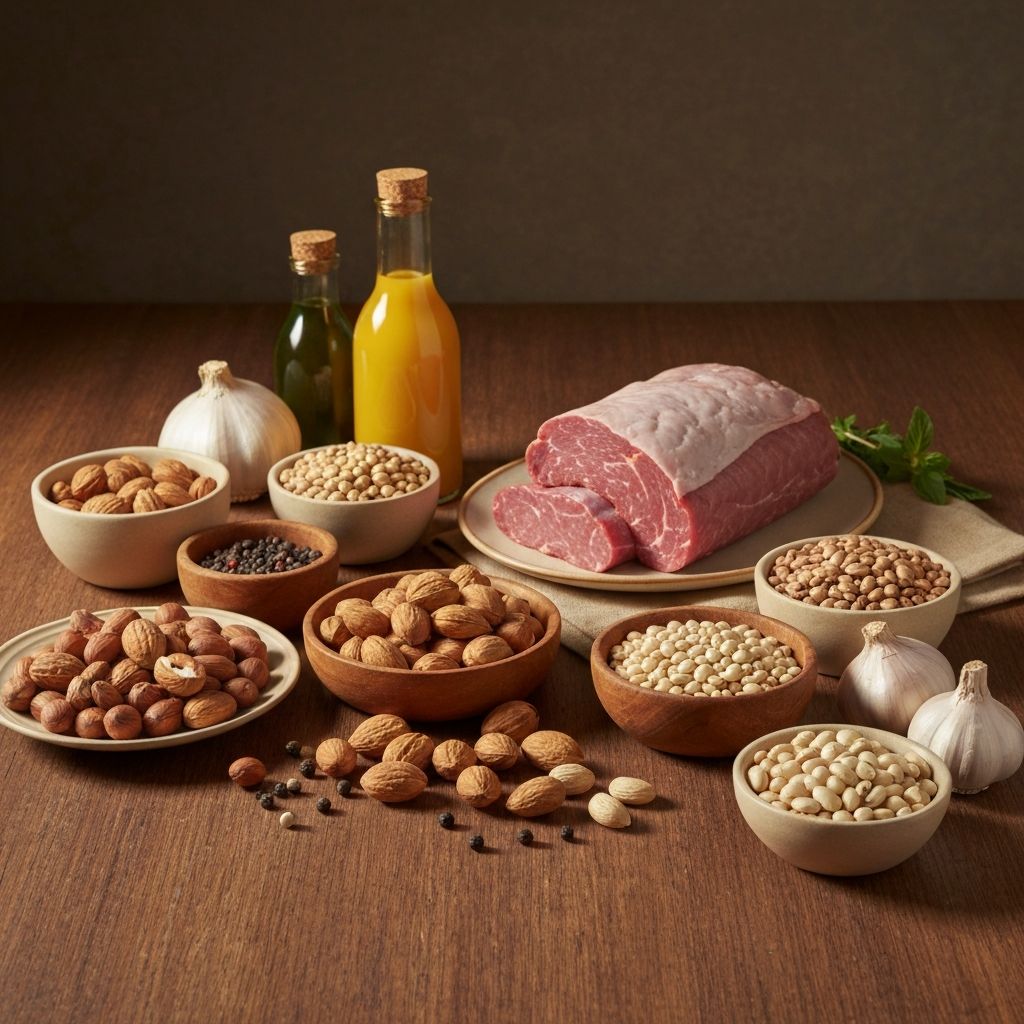
Protein-rich foods including meats, nuts, and legumes

Amino Acid Classification

Essential Amino Acids

Nine amino acids cannot be synthesized by the human body and must be obtained through diet: histidine, isoleucine, leucine, lysine, methionine, phenylalanine, threonine, tryptophan, and valine. Complete proteins contain all nine essential amino acids in adequate proportions. Most animal proteins (meat, poultry, fish, dairy, eggs) are complete. Plant proteins are often limited in one or more amino acids.

Non-Essential Amino Acids

The body synthesizes eleven amino acids from other nutrients. These amino acids can be produced internally provided adequate nitrogen sources and metabolic conditions exist. However, during periods of illness, stress, or intense physical activity, some amino acids become conditionally essential.

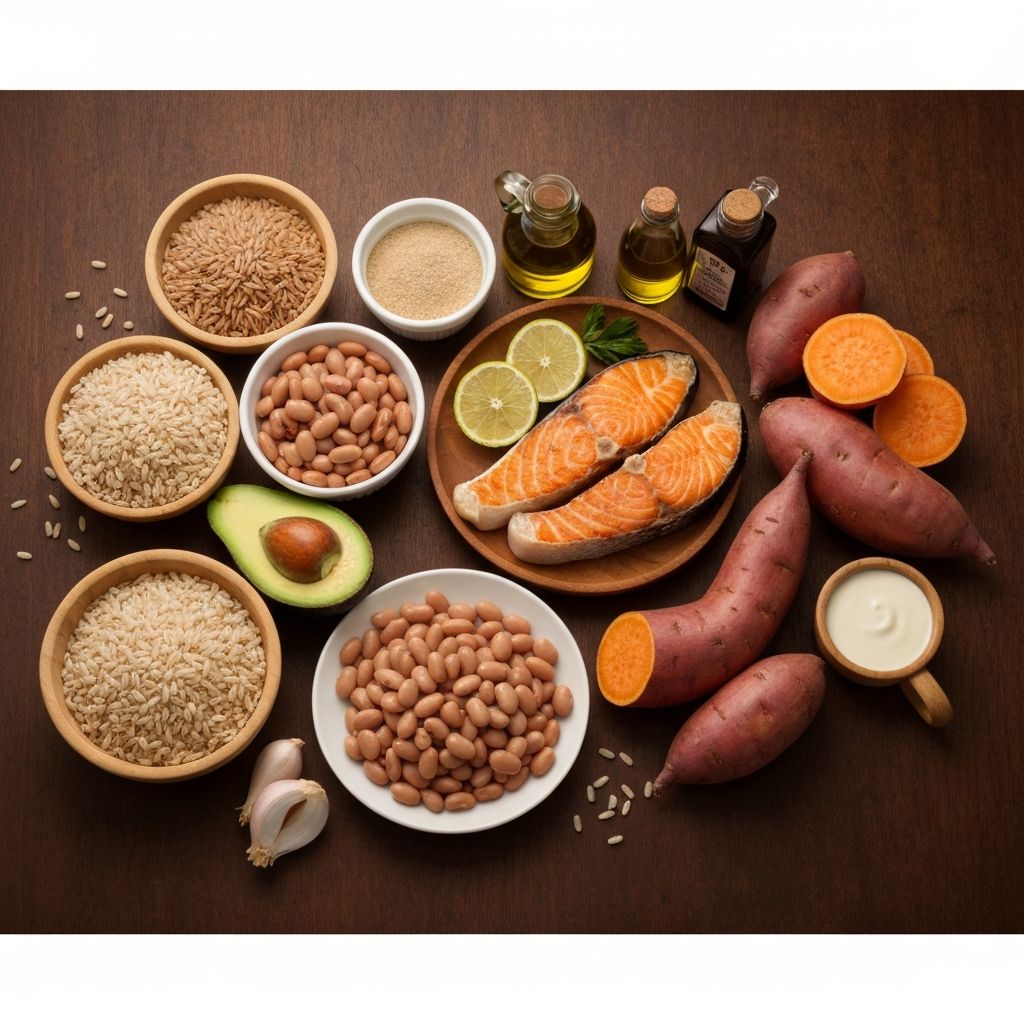
Balanced arrangement of protein-rich macronutrient foods

Protein Functions

Proteins serve multiple physiological roles beyond structural support:

Structural Functions

Collagen provides connective tissue structure; muscle proteins (actin and myosin) enable contraction; keratin forms hair and nails.

Enzymatic Functions

Thousands of enzymes, which are protein in nature, catalyze biochemical reactions essential to metabolism.

Regulatory Functions

Hormones and neurotransmitters (many protein-based) regulate physiological processes and cell signaling.

Immune Functions

Antibodies, which are specialized proteins, protect against pathogens. Other immune proteins regulate inflammatory responses.

Transport Functions

Proteins transport nutrients (hemoglobin for oxygen, lipoproteins for fats) and other molecules throughout the body.

Dietary Protein Sources

Animal-Based Proteins

Meat, poultry, fish, eggs, and dairy products are complete proteins containing all essential amino acids. Fish and shellfish offer additional omega-3 fatty acids. Eggs provide diverse micronutrients. Dairy contributes calcium and other minerals.

Plant-Based Proteins

Legumes (beans, lentils, peas), nuts, seeds, and whole grains provide protein with additional fiber and micronutrients. Many plant proteins are incomplete, lacking one or more essential amino acids. However, combining complementary plant proteins (legumes with grains) creates complete protein profiles.

Protein Complementation

Consuming diverse plant protein sources throughout the day ensures adequate intake of all essential amino acids. Traditional food combinations (rice and beans, hummus and pita) naturally achieve protein complementation.

Protein Quality and Digestion

Protein quality is assessed by the amino acid profile and bioavailability—how efficiently the body digests and absorbs the protein. Animal proteins generally exhibit higher bioavailability. Processing methods, cooking techniques, and individual digestive capacity affect protein absorption.

Protein synthesis, the process by which the body uses amino acids to build and repair tissues, requires not only adequate amino acids but also energy, B vitamins, minerals, and vitamin C. A balanced diet incorporating diverse proteins and supporting nutrients optimizes protein metabolism.

Information Disclaimer

This article provides educational information about protein, amino acids, and dietary protein sources. It does not constitute medical advice or personal dietary recommendations. Individual protein requirements vary based on age, activity level, health status, and other factors.

Important: Consult healthcare professionals regarding personal protein needs or concerns.

Not a medical product. Consult a doctor before use.

← Back to Articles